Get Ayurvedic fissure treatment in Vijayawada at Padmaja Ayurveda Clinic. Our personalized approach addresses anal fissure symptoms, constipation, pain and bleeding based on individual needs.
Effective Fistula Treatment at Padmaja Ayurveda Clinic
Are you experiencing persistent pain, swelling, pus discharge, or recurrent infections near the anal region? These symptoms may indicate an anal fistula, a condition that can significantly impact daily comfort and quality of life. At Padmaja Ayurveda Clinic, we provide Ayurvedic Treatment for Fistula in Vijayawada through a personalized approach that combines classical Ayurvedic principles, Kshara Sutra Therapy, dietary guidance and lifestyle recommendations. Led by Dr. D. Padmaja, M.D. (AY), Ph.D., Assistant Professor at Dr. N.R.S. Government Ayurvedic Medical College and a specialist in Panchakarma therapies, our clinic focuses on patient-centered care for anorectal disorders, including fistula, fissure and piles.
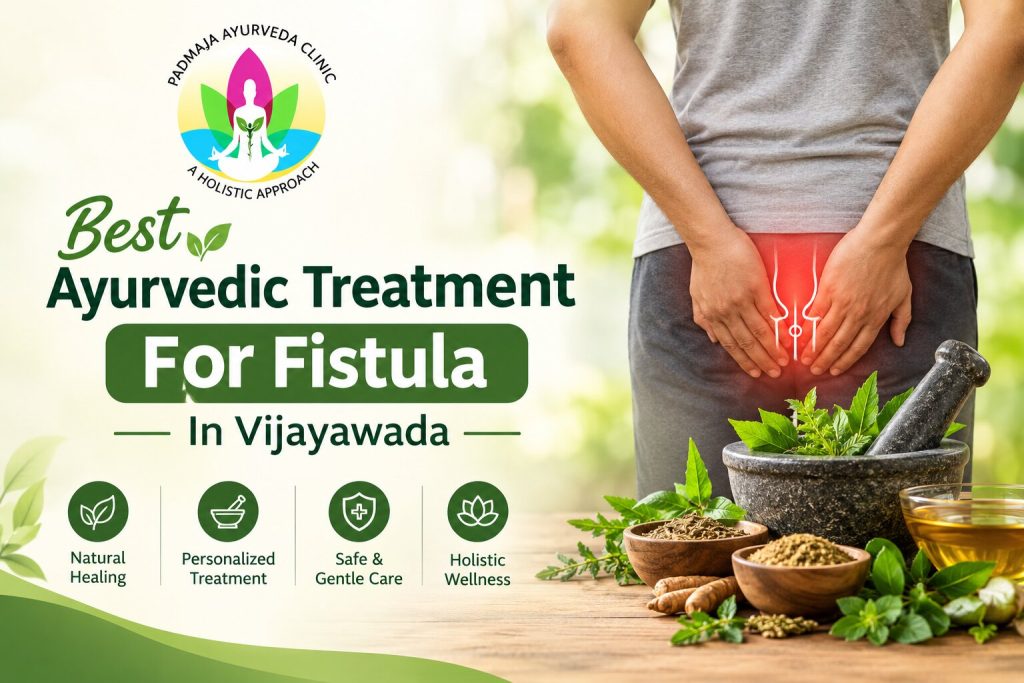
An anal fistula, also called fistula-in-ano, is an abnormal tube-like tract that connects an infected gland or area inside the anal canal to an opening on the skin around the anus. It commonly develops after an anal abscess has drained naturally or been treated through incision and drainage.
Unlike a simple skin wound, an anal fistula tract may persist and become repeatedly infected if the underlying tract remains. Patients may experience recurring swelling, pain, irritation, or discharge from an opening near the anus. Persistent or recurrent symptoms require proper medical evaluation to determine the nature and extent of the fistula.
In Ayurveda, anal fistula is traditionally described as Bhagandara. Classical Ayurvedic texts, including the Sushruta Samhita, describe approaches to managing Bhagandara, including Kshara Sutra therapy. At Padmaja Ayurveda Clinic, the suitability of Ayurvedic treatment for fistula, including Kshara Sutra when appropriate, is considered after individual assessment of the condition.
People looking for fistula treatment in Vijayawada may first notice symptoms such as recurring discharge, swelling, pain or a small opening near the anus. Common anal fistula symptoms can include:
Fistula symptoms in men are usually similar in presentation but can be linked to perianal abscesses that go unnoticed for longer, since men may delay consultation.
Fistula symptoms in women can sometimes be mistaken for gynecological issues, especially when the fistula tract runs close to the perineal area, so a proper proctology evaluation is important.
If you notice persistent anal discharge, recurrent swelling, repeated abscesses or an opening near the anus, consult a qualified healthcare professional for an appropriate evaluation and diagnosis before considering anal fistula treatment.
An anal fistula usually develops as a result of an infection in the anal glands. When these glands become blocked and infected, an abscess may form. If the abscess does not heal completely or continues to drain, it can create an abnormal tunnel between the anal canal and the skin around the anus, resulting in a fistula.
Several conditions can contribute to the development of a fistula. Identifying the underlying cause helps determine the most appropriate treatment approach.
While anyone can develop an anal fistula, certain health conditions and lifestyle factors can increase the likelihood of fistula formation or recurrence. Understanding these risk factors may help patients take preventive measures and seek timely medical care.
Anal fistulas are commonly classified according to the pathway of the fistula tract and its relationship to the anal sphincter muscles. Understanding the type of anal fistula is important because the location, depth, number of tracts, and involvement of the sphincter can influence the treatment approach.
Why Fistula Classification Matters
Knowing the type and extent of an anal fistula helps the healthcare professional understand the tract and surrounding structures before deciding on an appropriate treatment approach. Clinical examination and, when indicated, further diagnostic evaluation can help determine whether the fistula is simple, complex, or recurrent.
At Padmaja Ayurveda Clinic, patients seeking Ayurvedic fistula treatment in Vijayawada can undergo an individual assessment to understand their symptoms and condition. Where appropriate, Ayurvedic approaches such as Kshara Sutra therapy may be considered based on clinical evaluation and treatment suitability.
In Ayurveda, anal fistula is traditionally described as Bhagandara. The term refers to a condition involving the perianal region and is discussed in classical Ayurvedic texts, including the Sushruta Samhita.
Ayurvedic descriptions of Bhagandara consider factors such as the balance of Vata, Pitta and Kapha (Tridosha), along with digestion, bowel habits, inflammation, and other individual factors. These concepts are part of the traditional Ayurvedic framework and should not be considered a replacement for modern clinical diagnosis.
Classical Ayurveda describes different types of Bhagandara based on their characteristics and presentation. Traditional management may include dietary and lifestyle guidance, internal Ayurvedic medicines, local therapies and Kshara Sutra therapy, depending on the individual’s condition and suitability.
Kshara Sutra for Bhagandara
Kshara Sutra is a classical Ayurvedic para-surgical technique described in Ayurvedic literature and is commonly discussed in relation to Bhagandara or anal fistula. Its suitability depends on factors such as the fistula tract, location, complexity, and the individual’s overall clinical condition.
If you are searching for Ayurvedic treatment for fistula in Vijayawada, proper assessment is an important first step. At Padmaja Ayurveda Clinic, the condition can be evaluated individually to understand the symptoms and determine whether Ayurvedic approaches such as Kshara Sutra are appropriate for the patient.
At Padmaja Ayurveda Clinic, we specialize in providing natural and effective treatments for anal fistulas and other types of fistulas. Using the power of Ayurvedic medicine, we aim to provide long-term relief from this painful condition, promoting healing from within and preventing recurrence. Fistulas can be a challenging condition to deal with, but Ayurveda offers a non-invasive, safe and highly effective solution that goes beyond just treating the symptoms to target the root cause.
This combination is what patients usually mean when they search for Ayurvedic Proctology Treatment or natural treatment for fistula — it is a supervised medical process, not a home remedy.
If you are looking for Ayurvedic fistula treatment in Vijayawada, Padmaja Ayurveda Clinic provides individualized assessment and treatment planning. Kshara Sutra therapy and other Ayurvedic approaches are considered only when appropriate for the patient’s condition.
Non-Surgical Fistula Treatment in Vijayawada
Many patients specifically look for non-surgical fistula treatment in Vijayawada because they want to avoid general anesthesia, long hospital admission, or the sphincter-related risks associated with certain surgical procedures.
Kshara Sutra therapy is the primary non-surgical (or minimally invasive) option within Ayurveda for fistula-in-ano. It is performed as an outpatient or short-stay procedure in most straightforward cases, with local anesthesia used during thread placement.
This approach is often considered by patients who:
What is Kshara Sutra?
Kshara Sutra is a specially prepared medicated thread used in Ayurvedic proctology to treat fistula-in-ano. The thread is coated in layers of herbal and mineral preparations — commonly including Apamarga Kshara, Haridra (turmeric) and Snuhi latex — which have cleansing, cutting and healing properties.
How Does Kshara Sutra Work for Anal Fistula?
The thread is passed through the fistula tract, connecting the internal opening to the external opening. Over repeated sittings, the medicated coating:
Kshara Sutra Treatment Process
Potential Benefits of Kshara Sutra Treatment
Recovery During Kshara Sutra Treatment
Most patients continue routine daily activities between thread-change sittings, with some care taken around sitting posture, hygiene, and diet. Complete tract healing timelines vary depending on the fistula’s depth and complexity, and your treating doctor will give you a realistic timeline after examination.
Follow-Up Care After Kshara Sutra Placement
Follow-up visits are essential to:
If you are searching for Kshara Sutra treatment for anal fistula in Vijayawada, Padmaja Ayurveda Clinic can assess your condition and discuss whether this Ayurvedic approach is appropriate for you. Treatment is planned individually after evaluating the fistula and its clinical characteristics.
Diabetes can affect wound healing and may increase the risk of infections and other complications. For people with diabetes who have an anal fistula, treatment planning may therefore require closer attention to blood glucose levels, infection, wound healing, and overall health.
How Diabetes May Affect Fistula Treatment
Fistula treatment for diabetic patients may involve additional monitoring and coordination of care, including:
Reviewing blood glucose control as part of the overall health assessment
Monitoring the fistula and surrounding tissues during follow-up
Paying close attention to signs of infection or delayed healing
Providing appropriate dietary and lifestyle guidance
Coordinating with the patient’s diabetes physician when blood sugar is poorly controlled or additional medical care is required
Kshara Sutra and Diabetes
Kshara Sutra therapy may be considered for selected patients with anal fistula, including some patients with diabetes, after individual clinical assessment. The suitability of this approach depends on factors such as blood glucose control, fistula location and complexity, infection, previous treatment, and overall health.
Having diabetes does not automatically mean that Kshara Sutra is the appropriate treatment. Patients should undergo proper evaluation before starting Ayurvedic fistula treatment.
If you are looking for fistula treatment for diabetic patients in Vijayawada, Padmaja Ayurveda Clinic can assess your condition and consider your diabetes status when developing an individualized treatment plan.
Recovery and aftercare are important parts of anal fistula treatment. Along with the recommended treatment, appropriate diet, bowel habits, hygiene, activity, and regular follow-up can support comfortable recovery. At Padmaja Ayurveda Clinic, aftercare recommendations are individualized according to the patient’s condition, treatment plan, digestive health, and overall needs.
Diet can play a supportive role during anal fistula treatment, particularly by helping maintain regular bowel movements and reducing constipation and excessive straining. A suitable diet should be personalized according to individual tolerance, digestive health, medical conditions, and the treatment plan.
Foods to Include
A balanced diet containing adequate fiber and fluids may support healthy bowel habits. Depending on individual tolerance, suitable foods may include:
Foods to Limit
Some foods may contribute to digestive discomfort or constipation in certain individuals. During fistula treatment and recovery, it may be helpful to limit:
There is no single fistula diet that is appropriate for everyone. Dietary recommendations should be adjusted according to the patient’s digestive health, medical conditions, and individual requirements.
Sample Daily Diet Plan
A general diet plan for fistula patients may include:
This sample plan is for general guidance only. At Padmaja Ayurveda Clinic, dietary recommendations can be personalized according to Prakriti, digestive health, bowel habits, medical conditions and the stage of treatment.
Healthy daily habits can support bowel regularity, hygiene, and overall comfort during anal fistula treatment. Patients may be advised to:
Patients with underlying conditions such as diabetes or Crohn’s disease should also follow the monitoring and treatment recommendations provided by their healthcare team.
After Kshara Sutra treatment for anal fistula, appropriate aftercare and regular follow-up are important parts of the treatment process. Depending on the individual’s condition, the treating practitioner may recommend:
The recovery experience and treatment duration can vary depending on the anal fistula type, location, tract, complexity, previous treatment, and individual response. Your treating practitioner can provide more specific guidance after evaluating your condition.
Anal fistulas can sometimes recur, so continued monitoring and appropriate aftercare are important following treatment. Although recurrence cannot always be prevented, patients can support their ongoing care by:
Early evaluation of recurring symptoms can help determine whether additional assessment or treatment is required.
If you are looking for Ayurvedic fistula treatment in Vijayawada, proper follow-up is an important part of patient care. At Padmaja Ayurveda Clinic, dietary guidance, lifestyle recommendations, Kshara Sutra aftercare, and follow-up are considered according to the individual’s condition and treatment plan.
The potential benefits of Ayurvedic fistula treatment depend on the type, location, complexity, and individual characteristics of the fistula. When treatment is appropriate and provided under professional supervision, Ayurvedic care may include Kshara Sutra therapy, dietary guidance, lifestyle recommendations, and supportive Ayurvedic management.
Potential benefits may include:
Gradual management of the fistula tract: Kshara Sutra is a classical Ayurvedic para-surgical approach used for selected cases of Bhagandara or anal fistula.
Supportive care during recovery: Individualized Ayurvedic care may include dietary and lifestyle recommendations alongside the selected treatment approach.
Management of symptoms: Appropriate treatment may help address symptoms such as discomfort, swelling, discharge, and irritation, depending on the underlying condition.
Support for healthy bowel habits: Dietary and lifestyle guidance may help maintain regular bowel movements and reduce constipation and excessive straining.
Individualized treatment planning: Ayurveda considers factors such as symptoms, digestive health, bowel habits, and traditional Ayurvedic assessment when developing a treatment plan.
Regular monitoring and follow-up: Scheduled consultations allow the practitioner to monitor progress and adjust supportive care when appropriate.
Ayurvedic approach to overall health: Traditional Ayurvedic care considers the individual’s constitution and the balance of Vata, Pitta, and Kapha as part of its treatment framework.
The suitability and expected results of Ayurvedic treatment for anal fistula vary from person to person. Proper clinical assessment is important before selecting Kshara Sutra or any other treatment approach.
If you are searching for Ayurvedic fistula treatment in Vijayawada, Padmaja Ayurveda Clinic provides individualized assessment and treatment planning based on the patient’s condition and clinical requirements.
Choosing the right clinic for anal fistula treatment in Vijayawada involves understanding the treatment approach, clinical experience and level of follow-up care provided. At Padmaja Ayurveda Clinic, fistula and other ano-rectal conditions are managed through an individualized Ayurvedic approach based on the patient’s symptoms, condition, and treatment requirements.
Patients seeking Ayurvedic fistula treatment in Vijayawada can benefit from:
Consultation with a qualified Ayurvedic physician: Assessment and treatment planning are provided under the guidance of an Ayurvedic physician.
Individualized Kshara Sutra care: Where appropriate, Kshara Sutra therapy is planned according to the fistula’s characteristics rather than using the same approach for every patient.
Assessment of recurrent or complex cases: Patients with a history of recurrence or more complicated fistula presentations can be evaluated to determine the appropriate treatment approach.
Consideration of underlying health conditions: Conditions such as diabetes may be taken into account when planning treatment and follow-up, with coordination with other healthcare professionals when appropriate.
Diet and lifestyle guidance: Supportive recommendations may be provided to encourage healthy bowel habits, appropriate nutrition and suitable daily routines during treatment.
Clear treatment communication: Patients can be informed about the assessment, recommended treatment, follow-up requirements and aftercare before proceeding.
Yes, Ayurveda aims to treat the root cause of the fistula, restore digestion, and eliminate toxins, which promotes healing and prevents recurrence.
The duration of treatment depends on the severity and type of fistula. Generally, the healing process takes 3–6 weeks, but chronic cases may require additional sessions.
Kshara Sutra therapy is a painless process where a medicated thread is applied to the affected area to gradually treat the fistula. It is minimally invasive and very effective.
If you’re experiencing recurring discharge, swelling or pain near the anus, don’t wait for symptoms to worsen. Early evaluation gives you more treatment options and better outcomes.
Consult Dr. D. Padmaja at Padmaja Ayurveda Clinic, Vijayawada, for a thorough assessment of your fistula and a personalized Kshara Sutra treatment plan.
📍 Serving patients across Vijayawada, Benz Circle, Patamata, Gunadala, Poranki, Gannavaram and greater Andhra Pradesh.
info@padmajaayurvedaclinic.com