
Get personalized Ayurvedic care for psoriasis, eczema, acne and other chronic skin conditions through traditional therapies, herbal support and lifestyle guidance at Padmaja Ayurveda Clinic.
Psoriasis and other chronic skin problems can affect not only your skin but also your confidence, comfort and overall quality of life. At Padmaja Ayurveda Clinic, we provide Ayurvedic Psoriasis and Skin Problems Treatment in Vijayawada through a personalized and holistic approach that focuses on identifying the underlying imbalances that may contribute to recurring skin concerns. Our treatments are designed to support healthy skin, promote overall wellness and help patients manage chronic skin conditions naturally. As a trusted Ayurvedic clinic in Vijayawada, we offer comprehensive care for psoriasis, eczema, skin allergies, acne, dermatitis, fungal skin infections, itchy skin and other skin disorders. Our experienced Ayurvedic practitioners combine traditional Ayurvedic principles, customized treatment plans, Panchakarma therapies, herbal support, dietary guidance and lifestyle recommendations to promote long-term skin health and holistic well-being. Whether you are seeking Ayurvedic psoriasis treatment, skin disease treatment or natural support for chronic skin conditions, Padmaja Ayurveda Clinic is committed to providing compassionate, patient-centered care for individuals across Vijayawada.
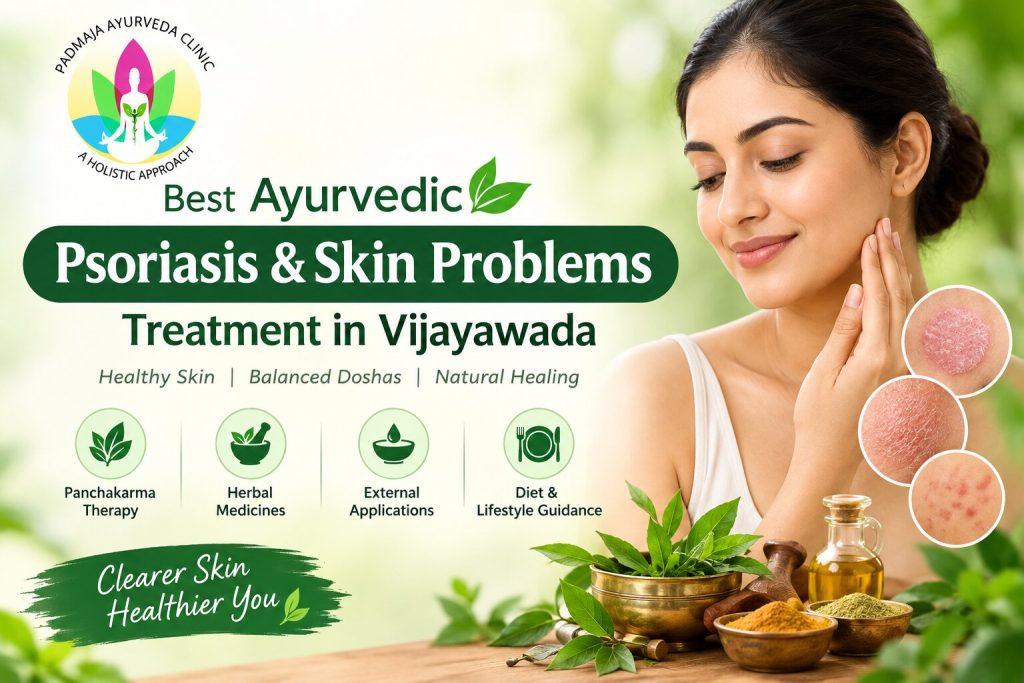
Psoriasis is a chronic inflammatory skin condition that causes skin cells to multiply faster than normal. This accelerated skin cell turnover may result in thick, scaly patches on various parts of the body. The condition may appear on the scalp, elbows, knees, lower back, hands, feet or other areas. Symptoms often vary from person to person and may fluctuate over time. Psoriasis is considered a long-term condition that requires proper management. While there is no universally guaranteed cure, many individuals seek professional care to help manage symptoms, improve skin comfort and support overall quality of life.
The symptoms of psoriasis can vary depending on the type, severity and area of the body affected. Common signs of psoriasis include red, inflamed patches, dry skin, itching, scaling and skin irritation. Some people may also experience scalp symptoms, nail changes, or joint discomfort. Recognizing the common symptoms of psoriasis can help you seek appropriate medical evaluation and understand when professional care may be needed.
Common Signs and Symptoms of Psoriasis
Psoriasis symptoms often occur in cycles, with periods of flare-ups followed by times when symptoms improve or become less noticeable. Triggers such as stress, infections, weather changes, certain medications and lifestyle factors may contribute to worsening symptoms. If you experience recurring skin irritation, persistent itching, scaling or unexplained skin changes, consulting a qualified healthcare professional can help determine the underlying cause and guide appropriate management.
Psoriasis is not a single condition but a group of related skin disorders that can affect different parts of the body in different ways. Understanding the various types of psoriasis can help individuals recognize symptoms early and seek appropriate care. Each type has unique characteristics, although all involve inflammation and abnormal skin cell turnover.
Consider seeking professional evaluation if you have persistent itching, red patches, skin scaling, scalp irritation, cracked skin, recurring rashes or unexplained nail changes. Joint pain, swelling, or stiffness in a person with psoriasis also warrants medical evaluation. At Padmaja Ayurveda Clinic, we provide best Ayurvedic care for psoriasis and other skin problems in Vijayawada. Treatment recommendations may include Ayurvedic consultation, herbal support, external applications, Panchakarma therapies when appropriate, and diet and lifestyle guidance based on individual health needs.
The exact cause of psoriasis is not completely understood. However, research suggests that a combination of genetic, immune system, environmental and lifestyle factors may contribute to its development. Psoriasis is considered a chronic inflammatory condition in which the immune system plays a role in accelerating the growth of skin cells, leading to the formation of red, scaly patches on the skin. While the underlying causes may vary from person to person, certain triggers are known to increase the likelihood of flare-ups or worsen existing symptoms.
Importance of Identifying Triggers
Because psoriasis triggers vary from person to person, understanding individual patterns can be an important part of long-term symptom management. Maintaining a healthy lifestyle, managing stress, following a balanced diet, and seeking professional guidance can help support skin health and overall quality of life.
At Padmaja Ayurveda Clinic, we take a personalized approach to understanding the factors that may influence each patient’s condition. Through detailed consultation and individualized care plans, we aim to support overall wellness and help patients manage chronic skin concerns more effectively.
Ayurveda views skin health as a reflection of the body’s internal balance. According to Ayurvedic principles, healthy skin depends on the proper functioning of the doshas, balanced digestion, healthy tissues and efficient elimination of waste products. When these systems become imbalanced, various skin disorders may develop.
From an Ayurvedic perspective, psoriasis is often correlated with Kitibha Kushta, one of the skin conditions described in classical Ayurvedic texts. Kitibha Kushta is characterized by symptoms such as dryness, roughness, scaling, discoloration and thickened skin, which share similarities with the clinical presentation of psoriasis.
Rather than focusing solely on visible skin symptoms, Ayurveda seeks to understand the underlying factors that may contribute to the condition and aims to support overall health and wellness through individualized care.
Dosha Imbalance and Skin Disorders
According to Ayurveda, psoriasis is commonly associated with an imbalance of Pitta and Kapha doshas, although the involvement of Vata dosha may also contribute to certain symptoms.
The combination of these doshic imbalances can influence the severity and presentation of skin conditions in different individuals.
The Role of Rakta Dhatu
In Ayurveda, Rakta Dhatu refers to the body’s blood tissue and is considered essential for nourishing and maintaining healthy skin. When Rakta Dhatu becomes affected by doshic imbalance, impurities, or improper metabolism, skin disorders may develop.
Ayurvedic practitioners often assess the health of Rakta Dhatu while evaluating chronic skin conditions and designing individualized wellness plans.
Ama Accumulation and Digestive Health
Ayurveda places significant importance on digestive health. According to Ayurvedic philosophy, weak digestion or impaired metabolic function may lead to the formation of Ama, a term used to describe improperly processed metabolic waste. Ama is believed to circulate throughout the body and may contribute to imbalances that affect various tissues, including the skin. Factors that may contribute to Ama accumulation include:
Supporting healthy digestion is often considered an important aspect of Ayurvedic care for chronic skin concerns.
A Holistic Ayurvedic Perspective
Ayurveda approaches psoriasis as more than a skin-deep condition. Instead of focusing only on external symptoms, Ayurvedic practitioners evaluate multiple factors, including:
This comprehensive assessment helps create personalized recommendations that may include dietary guidance, lifestyle modifications, herbal support, external therapies, and traditional Ayurvedic wellness practices.
At Padmaja Ayurveda Clinic, our approach to psoriasis and other skin problems is centered on understanding each patient’s unique health profile. Through personalized consultations and holistic Ayurvedic care, we aim to support skin wellness, improve overall health and help patients manage chronic skin concerns more effectively.
At Padmaja Ayurveda Clinic, our approach to Psoriasis Treatment in Vijayawada begins with understanding the patient’s unique health profile.
Detailed Consultation
A comprehensive consultation helps assess symptoms, medical history, lifestyle habits, and overall health concerns.
Prakriti Assessment
Ayurvedic practitioners evaluate an individual’s Prakriti, or natural constitution, to develop personalized recommendations.
Personalized Care Plans
Each treatment plan is tailored according to the individual’s condition, symptoms, and health goals.
Herbal Support
Traditional Ayurvedic herbal formulations may be recommended based on individual needs.
External Therapies
Selected external Ayurvedic applications may be utilized to support skin comfort and wellness.
Lifestyle Recommendations
Diet, sleep, stress management and daily routines are often addressed as part of a holistic treatment approach.
Panchakarma is one of Ayurveda’s most respected therapeutic approaches, focusing on cleansing, rejuvenation and restoring balance within the body. According to Ayurvedic principles, the accumulation of toxins (Ama), impaired digestion and dosha imbalances may contribute to the development of chronic skin conditions. Panchakarma therapies are designed to support the body’s natural detoxification processes and promote overall wellness. For individuals dealing with psoriasis, eczema, skin allergies and other chronic skin concerns, Panchakarma may be recommended as part of a personalized Ayurvedic treatment plan after a thorough evaluation by an Ayurvedic practitioner.
Virechana (Therapeutic Purgation)
Virechana is a specialized Ayurvedic cleansing procedure primarily aimed at balancing aggravated Pitta dosha, which is often associated with inflammation, redness, irritation, and heat-related skin conditions. This therapy involves carefully supervised cleansing techniques designed to help eliminate accumulated toxins from the body. In Ayurveda, Virechana is considered particularly beneficial for supporting skin health and maintaining internal balance.
Potential goals of Virechana may include:
Rakta Mokshana (Blood Purification Therapy)
Rakta Mokshana is a traditional Ayurvedic procedure described in classical texts as a method for addressing disorders associated with vitiated Rakta Dhatu (blood tissue). Ayurveda considers a healthy Rakta Dhatu essential for maintaining clear and healthy skin. This therapy may be recommended in selected cases as part of a comprehensive Ayurvedic treatment plan for chronic skin disorders.
Potential benefits may include:
Abhyanga (Therapeutic Oil Massage)
Abhyanga is a traditional Ayurvedic therapy involving the application of warm medicated oils through gentle, rhythmic massage techniques. The selection of oils is individualized based on a person’s constitution, health condition, and treatment goals. Abhyanga is often incorporated into Panchakarma programs to help nourish the skin, support circulation, and promote relaxation.
Potential benefits of Abhyanga include:
Swedana (Herbal Steam Therapy)
Swedana refers to therapeutic sweating procedures commonly used in Ayurveda. It is often performed after Abhyanga to help open the body’s channels and support the elimination of toxins. Herbal steam therapies may help relax muscles, improve comfort, and support the body’s natural cleansing processes. Swedana is frequently included in Panchakarma protocols designed for various chronic health concerns, including skin disorders.
Potential goals of Swedana include:
At Padmaja Ayurveda Clinic, Panchakarma therapies are recommended only after a detailed consultation and Ayurvedic assessment. Every individual is unique and treatment plans are carefully tailored based on factors such as body constitution (Prakriti), dosha imbalance, symptom severity, lifestyle habits and overall health status.
Our goal is to provide safe, personalized and holistic Ayurvedic care that supports skin health, overall wellness and long-term quality of life.
Disclaimer: Treatment recommendations are personalized and may vary based on individual health conditions. The suitability of Panchakarma therapies depends on an individual’s health status and should be determined through consultation with a qualified Ayurvedic practitioner.
At Padmaja Ayurveda Clinic, we provide personalized Ayurvedic care for a wide range of skin conditions beyond psoriasis. Skin problems can arise due to various factors, including dosha imbalances, lifestyle habits, environmental triggers, digestive concerns and individual health conditions. Our approach focuses on understanding the root causes of skin concerns and developing customized treatment plans that support overall wellness and healthy skin function.
At Padmaja Ayurveda Clinic, we provide personalized Ayurvedic care for a wide range of skin conditions beyond psoriasis. Skin problems can arise due to various factors, including dosha imbalances, lifestyle habits, environmental triggers, digestive concerns and individual health conditions. Our approach focuses on understanding the root causes of skin concerns and developing customized treatment plans that support overall wellness and healthy skin function.
Eczema Treatment
Eczema is a common skin condition that can cause dryness, itching, redness, inflammation and skin sensitivity. Symptoms may range from mild irritation to severe flare-ups that affect daily comfort and quality of life.
At Padmaja Ayurveda Clinic, eczema care begins with a detailed assessment of individual health factors, dietary habits and lifestyle patterns. Ayurvedic recommendations may include personalized dietary guidance, herbal support, external therapies and lifestyle modifications aimed at supporting skin health and reducing triggers that may contribute to flare-ups.
Skin Allergy Treatment
Skin allergies can develop when the body reacts to certain substances, environmental factors, foods, medications or irritants. Common symptoms include itching, redness, swelling, rashes and skin discomfort.
Our Ayurvedic approach to Skin Allergy Treatment in Vijayawada focuses on identifying potential triggers and supporting the body’s natural balance. Personalized care plans may include dietary recommendations, herbal formulations and wellness strategies tailored to individual needs.
Acne Treatment
Acne is one of the most common skin concerns affecting teenagers and adults alike. It may present as pimples, blackheads, whiteheads, cysts or inflamed breakouts on the face, chest, shoulders and back.
Ayurveda considers factors such as Pitta imbalance, dietary habits, stress and digestive health when addressing acne. Treatment plans may include skin care guidance, dietary recommendations, lifestyle modifications and traditional Ayurvedic support aimed at promoting clearer and healthier skin.
Dermatitis Treatment
Dermatitis refers to a group of conditions that cause skin inflammation, irritation, itching and redness. It may develop due to allergies, irritants, environmental factors or underlying health conditions.
A comprehensive evaluation helps determine the nature of the condition and the factors that may be contributing to symptoms. Ayurvedic care focuses on supporting skin health, managing discomfort and promoting overall wellness through individualized treatment strategies.
Fungal Skin Infections
Fungal skin infections can affect various parts of the body and may cause itching, redness, scaling and recurring skin irritation. Warm and humid environments can increase the likelihood of certain fungal infections.
At Padmaja Ayurveda Clinic, treatment recommendations may include lifestyle guidance, hygiene practices, dietary support and Ayurvedic therapies designed to support skin health and overall well-being. Identifying contributing factors is an important step in reducing recurrence.
Urticaria Treatment
Urticaria, commonly known as hives, is characterized by raised, itchy welts that may appear suddenly and vary in size and location. Symptoms can be triggered by allergies, infections, stress, medications or other underlying factors.
Ayurvedic care for urticaria focuses on understanding potential triggers, assessing dosha imbalances and creating personalized wellness plans that support skin comfort and overall health.
Hyperpigmentation Treatment
Hyperpigmentation refers to darkened patches or uneven skin tone that can occur due to sun exposure, hormonal changes, inflammation, acne scars or other factors. While hyperpigmentation is generally not harmful, it may affect confidence and appearance.
Our Ayurvedic approach includes evaluating the underlying causes of pigmentation concerns and recommending individualized care plans that may include dietary guidance, herbal support and skin care recommendations.
Itchy Skin Treatment
Persistent itching can occur as a symptom of various skin conditions, including psoriasis, eczema, allergies, fungal infections and dermatitis. In some cases, itching may also be linked to environmental factors or internal health concerns.
Effective management begins with identifying the underlying cause of the itching. At Padmaja Ayurveda Clinic, we focus on comprehensive assessment and personalized care to support skin health, improve comfort and enhance overall quality of life.
At Padmaja Ayurveda Clinic, we provide Ayurvedic skin treatment in Vijayawada for psoriasis, eczema, acne, skin allergies, dermatitis, fungal skin infections, urticaria, hyperpigmentation, and chronic itching. Our Ayurvedic psoriasis and skin problems treatment combines personalized consultation, traditional Ayurvedic therapies, herbal support, external applications, Panchakarma therapies when appropriate, and diet and lifestyle guidance. We focus on supporting healthy skin, managing chronic skin concerns, and promoting long-term skin wellness for patients across Vijayawada and nearby areas of Andhra Pradesh.
Many individuals seeking relief from psoriasis, eczema, skin allergies, dermatitis, acne and other chronic skin conditions choose Ayurveda because of its holistic and personalized approach. Rather than focusing only on visible symptoms, Ayurveda aims to understand the individual’s overall health, lifestyle, digestion and dosha balance to support long-term skin wellness.
At Padmaja Ayurveda Clinic, our approach to Ayurvedic Skin Treatment in Vijayawada is centered on addressing the unique needs of each patient through personalized care plans, traditional therapies and wellness-focused guidance.
Personalized Treatment Plans
Every person’s skin condition is different. Ayurvedic care begins with a detailed consultation and assessment of an individual’s body constitution (Prakriti), symptoms, lifestyle habits and overall health status. This helps create customized treatment plans tailored to specific needs and wellness goals.
Focus on Root Causes and Overall Wellness
Ayurveda considers skin health to be closely connected to digestion, metabolism, lifestyle and internal balance. Treatment strategies focus on identifying factors that may contribute to recurring skin concerns and supporting overall health rather than only managing external symptoms.
Support for Healthy Skin Function
Traditional Ayurvedic therapies, herbal formulations and wellness practices are designed to support the body’s natural processes and promote healthy skin function. This comprehensive approach may help individuals maintain healthier-looking skin over time.
Emphasis on Diet and Lifestyle Guidance
Diet and daily habits play an important role in Ayurvedic healthcare. Patients receive personalized recommendations regarding nutrition, hydration, sleep, stress management and healthy lifestyle practices that may support skin health and overall well-being.
Traditional Herbal Support
Ayurveda utilizes carefully selected herbal preparations based on individual needs and health conditions. These traditional formulations are often incorporated into personalized care plans as part of a comprehensive approach to skin wellness.
Holistic Management of Multiple Skin Conditions
Ayurvedic care may be beneficial for a variety of skin concerns, including:
By addressing multiple contributing factors, Ayurveda aims to support overall skin health and comfort.
Long-Term Skin Wellness Approach
Many chronic skin conditions tend to recur over time. Ayurveda emphasizes sustainable lifestyle practices, preventive care and ongoing wellness strategies that may help individuals maintain healthier skin and improve their overall quality of life.
Stress Management and Emotional Well-Being
Stress is a common trigger for many skin disorders, including psoriasis and eczema. Ayurvedic wellness practices often incorporate relaxation techniques, healthy routines and lifestyle recommendations that support emotional balance and overall wellness.
Improved Quality of Life
Chronic skin conditions can affect physical comfort, self-confidence and daily activities. Through personalized care, lifestyle guidance and holistic wellness strategies, Ayurvedic treatment aims to help patients feel more comfortable, confident and supported in their long-term health journey.
Patients often choose Ayurvedic Psoriasis Treatment in Vijayawada and other Ayurvedic skin care services because of the emphasis on:
At Padmaja Ayurveda Clinic, we are committed to providing compassionate, personalized care for individuals experiencing psoriasis and other skin problems. Our goal is to support healthy skin, overall wellness and an improved quality of life through the principles of Ayurveda.
While psoriasis is a chronic skin condition, healthy lifestyle habits can play an important role in supporting overall skin wellness and reducing factors that may contribute to flare-ups. Along with professional care, making positive changes to your diet, daily routine, stress levels and skincare practices may help improve your quality of life and support long-term skin health.
At Padmaja Ayurveda Clinic, we encourage a holistic approach that combines personalized treatment with healthy lifestyle practices to support individuals living with psoriasis and other chronic skin conditions.
Follow a Balanced and Nourishing Diet
A healthy diet can support overall wellness and help maintain optimal body function. Ayurveda emphasizes consuming fresh, wholesome foods that are easy to digest and suitable for an individual’s constitution.
Consider including:
Maintaining regular meal timings and avoiding overeating may also support digestive health, which Ayurveda considers important for overall well-being.
Foods to Consider Limiting
Certain dietary habits may contribute to inflammation and digestive imbalance in some individuals. While triggers can vary from person to person, some people may benefit from reducing:
Keeping a food journal may help identify individual dietary triggers that seem to worsen symptoms.
Stay Well Hydrated
Proper hydration is essential for maintaining healthy skin and overall body function. Drinking adequate water throughout the day helps support natural body processes and may help reduce excessive skin dryness.
In addition to water, individuals may benefit from:
Hydration needs vary from person to person based on age, activity level and climate conditions.
Manage Stress Effectively
Stress is one of the most commonly reported triggers for psoriasis flare-ups. Chronic stress may affect both physical and emotional well-being, making stress management an important part of a comprehensive skin wellness plan.
Helpful stress-management practices may include:
Even a few minutes of relaxation each day can support emotional balance and overall wellness.
Prioritize Quality Sleep
Sleep plays a vital role in maintaining overall health and supporting the body’s natural recovery processes. Poor sleep habits may contribute to increased stress and reduced well-being.
Tips for better sleep include:
Adults should aim for sufficient restful sleep each night to support physical and mental health.
Maintain Gentle Skincare Practices
People with psoriasis often have sensitive skin that may react to harsh products and environmental irritants. Gentle skincare practices can help support skin comfort and reduce irritation.
Consider the following:
Proper skincare habits can help maintain the skin barrier and improve overall comfort.
Stay Physically Active
Regular physical activity supports overall health and may contribute to improved well-being. Exercise can also help manage stress, support healthy weight management, and promote circulation.
Activities may include:
Choose activities that suit your fitness level and personal preferences.
Avoid Smoking and Excessive Alcohol Consumption
Smoking and excessive alcohol use have been associated with worsening symptoms in some individuals with psoriasis. Reducing or avoiding these habits may support overall health and complement professional treatment efforts.
Monitor and Identify Personal Triggers
Psoriasis triggers can vary significantly from one person to another. Common triggers may include:
Keeping track of symptoms and potential triggers may help individuals better understand their condition and make informed lifestyle choices.
A Holistic Approach to Skin Wellness
At Padmaja Ayurveda Clinic, we believe that healthy skin is closely connected to overall wellness. Along with Ayurvedic Psoriasis Treatment in Vijayawada, we provide personalized dietary guidance, lifestyle recommendations, and wellness support designed to help patients manage psoriasis and other chronic skin conditions more effectively.
By combining professional Ayurvedic care with healthy daily habits, individuals can take meaningful steps toward supporting long-term skin health, comfort and overall quality of life.
Patients choose Padmaja Ayurveda Clinic because of our commitment to personalized Ayurvedic healthcare.
Experienced Ayurvedic Practitioners
Our team follows traditional Ayurvedic principles while focusing on patient-centered care.
Personalized Care
Every treatment plan is designed according to individual needs and health goals.
Traditional Ayurvedic Principles
We incorporate time-tested Ayurvedic concepts and therapies into our care approach.
Patient-First Approach
Patient comfort, education and wellness remain central to our philosophy.
Convenient Vijayawada Location
Our clinic serves patients from Vijayawada and nearby areas of Andhra Pradesh.
Focus on Preventive Wellness
We emphasize healthy lifestyle practices and long-term wellness strategies.
Psoriasis is a chronic condition, but with Ayurvedic care, symptoms can be significantly reduced and controlled naturally, often with long remission periods and no side effects.
Yes, our treatments are made with gentle herbal ingredients, customized for all skin types and age groups.
Many patients see improvements within 2–4 weeks. Long-standing or severe cases may take longer and benefit from Panchakarma.
info@padmajaayurvedaclinic.com
